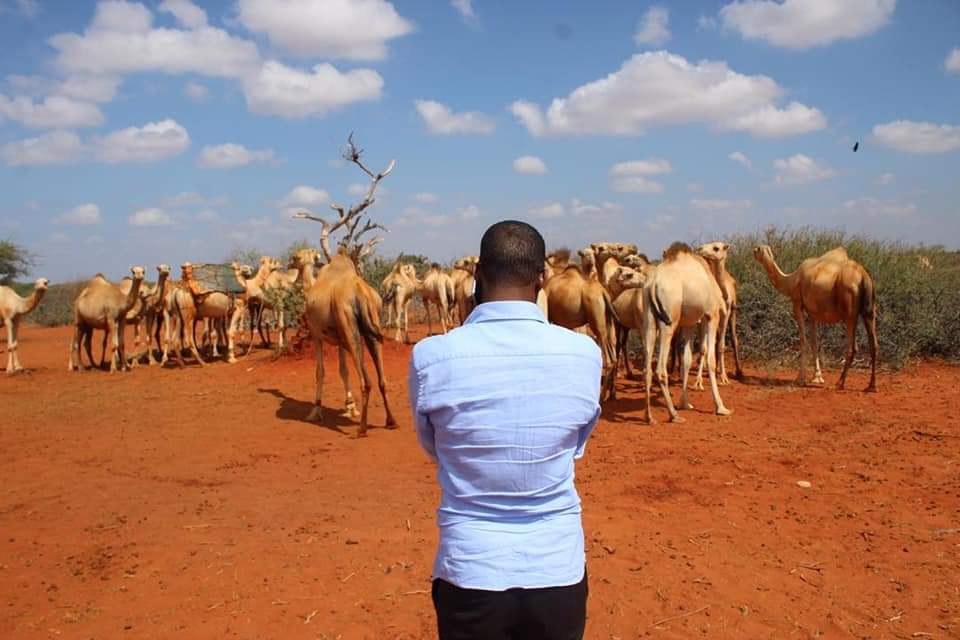
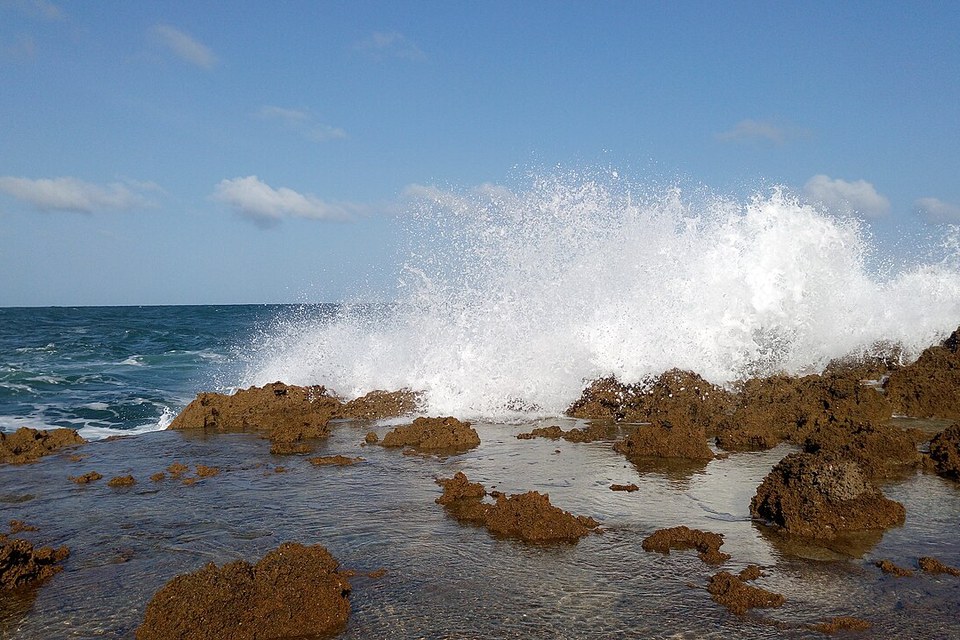
From National Commitments to Local Action: Biodiversity Strategies for Three Somali States
Apr 18, 2026

From National Commitments to Local Action: Biodiversity Strategies for Three Somali States

Somalia has national biodiversity commitments but little state-level evidence to act on them. An ongoing assignment is developing Local Biodiversity Strategy and Action Plans for Galmudug, Hirshabelle and South West State, each treated as a distinct ecological unit rather than a copy of a template.

Read More
Making Climate Information Usable: Developing Education and Awareness Materials for Somali Communities
Apr 05, 2026

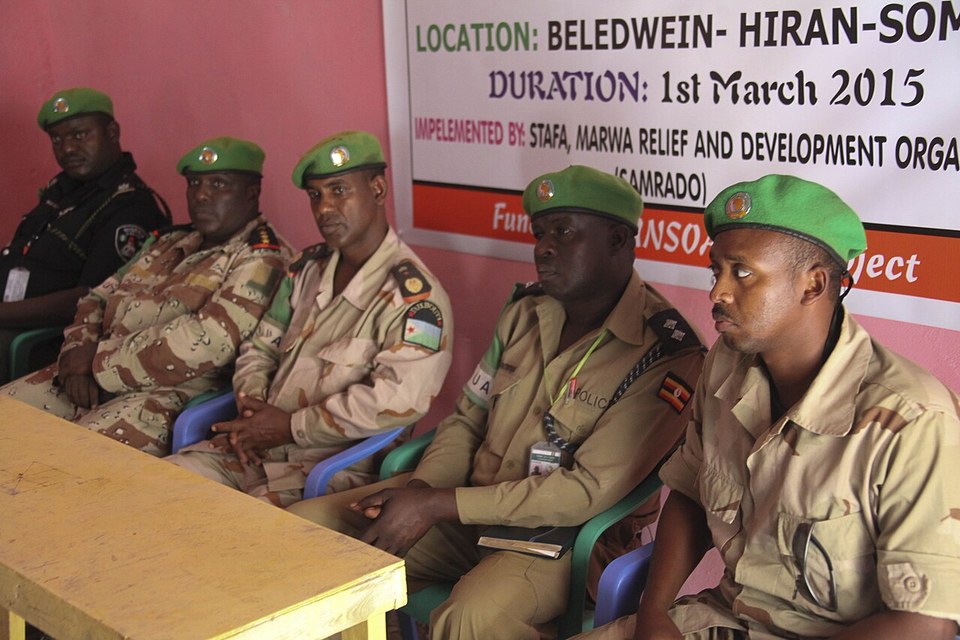
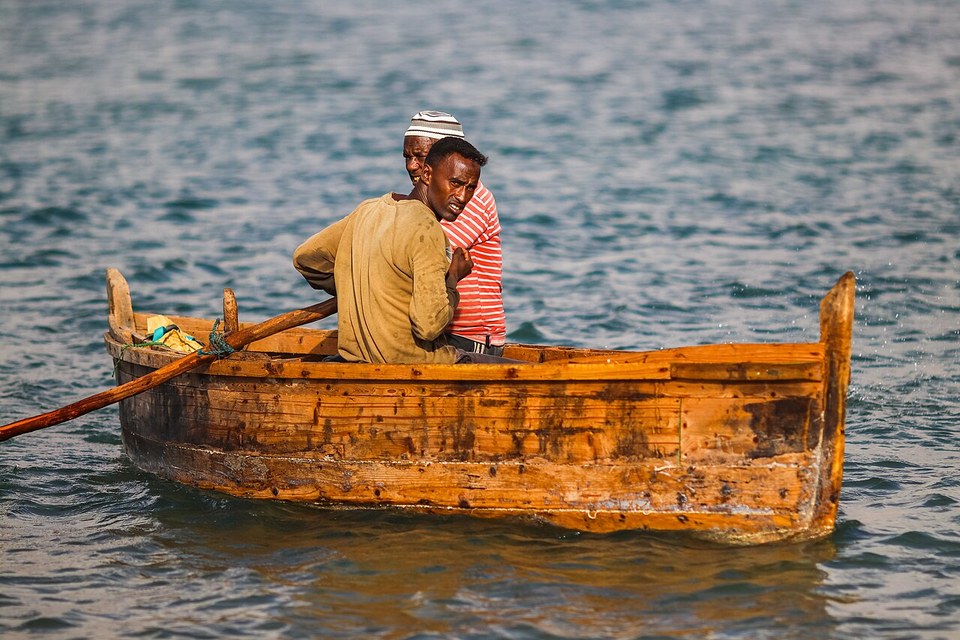
Making Climate Information Usable: Developing Education and Awareness Materials for Somali Communities

Good environmental information fails when it reaches the wrong audience in the wrong language through the wrong channel. An ongoing assignment across three Somali federal member states is developing climate, land degradation and biodiversity awareness materials the other way round: audience and channel first, content second.

Read More
Two Districts, Two Climates: Building a Climate Vulnerability Evidence Base in Hobyo and Barawe
Mar 20, 2026

Two Districts, Two Climates: Building a Climate Vulnerability Evidence Base in Hobyo and Barawe

One district is shaped by drought, the other by floods. SoMAP is currently running a two-track assignment in Hobyo and Barawe that pairs a 720-household baseline survey with district-scale climate vulnerability mapping, so that targeting decisions rest on household evidence and spatial evidence together.

Read More
Restoring Rangelands Without Reopening Old Disputes: Evidence from 13 Villages in Central Somalia
Mar 10, 2026

Restoring Rangelands Without Reopening Old Disputes: Evidence from 13 Villages in Central Somalia

In central Somalia, degraded rangeland and contested grazing land are the same problem seen from two angles. A recently completed feasibility study and conflict analysis across 13 villages in Galmudug and Hirshabelle shows how spatial evidence and community consultation together produce restoration plans that communities will actually accept.

Read More